
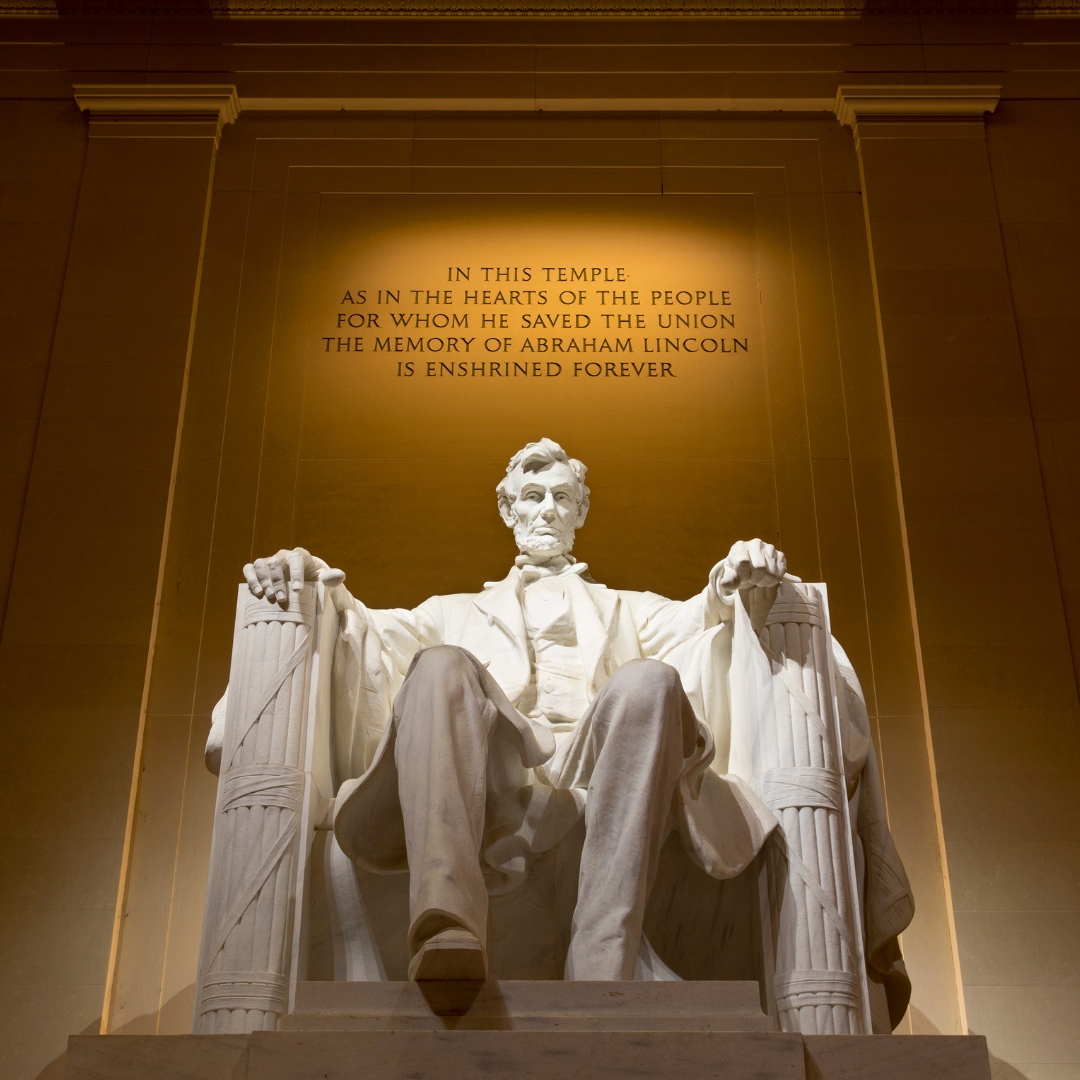
About Course
This course offers a vivid, engaging look at Abraham Lincoln’s leadership during the Civil War, examining how he navigated the unprecedented political and military challenges of the nation’s greatest crisis. Participants will explore Lincoln as commander in chief, analyzing his strategic approach to war, his working relationships with key generals, and his evolving style of executive decision-making. At the same time, the course delves into Lincoln’s powerful understanding of the idea of Union, revealing how he used that concept to rally a divided public, sustain support for a long and costly conflict, and carefully balance the intertwined goals of preserving the Union and advancing emancipation. Through this integrated lens of battlefield command and home-front persuasion, the course invites learners to reconsider Lincoln not as a distant icon, but as a shrewd, adaptable, and deeply principled leader whose choices continue to shape our understanding of presidential power and national purpose.
Course Content
Lincoln as Commander in Chief: Executive Leadership during the Nation’s Greatest Crisis
-
Lecture
01:33:55
Lincoln and the Concept Union: Rallying the Loyal Populace in a Long and Costly War
Earn a certificate
Receive a certificate of completion.
Student Ratings & Reviews

No Review Yet