
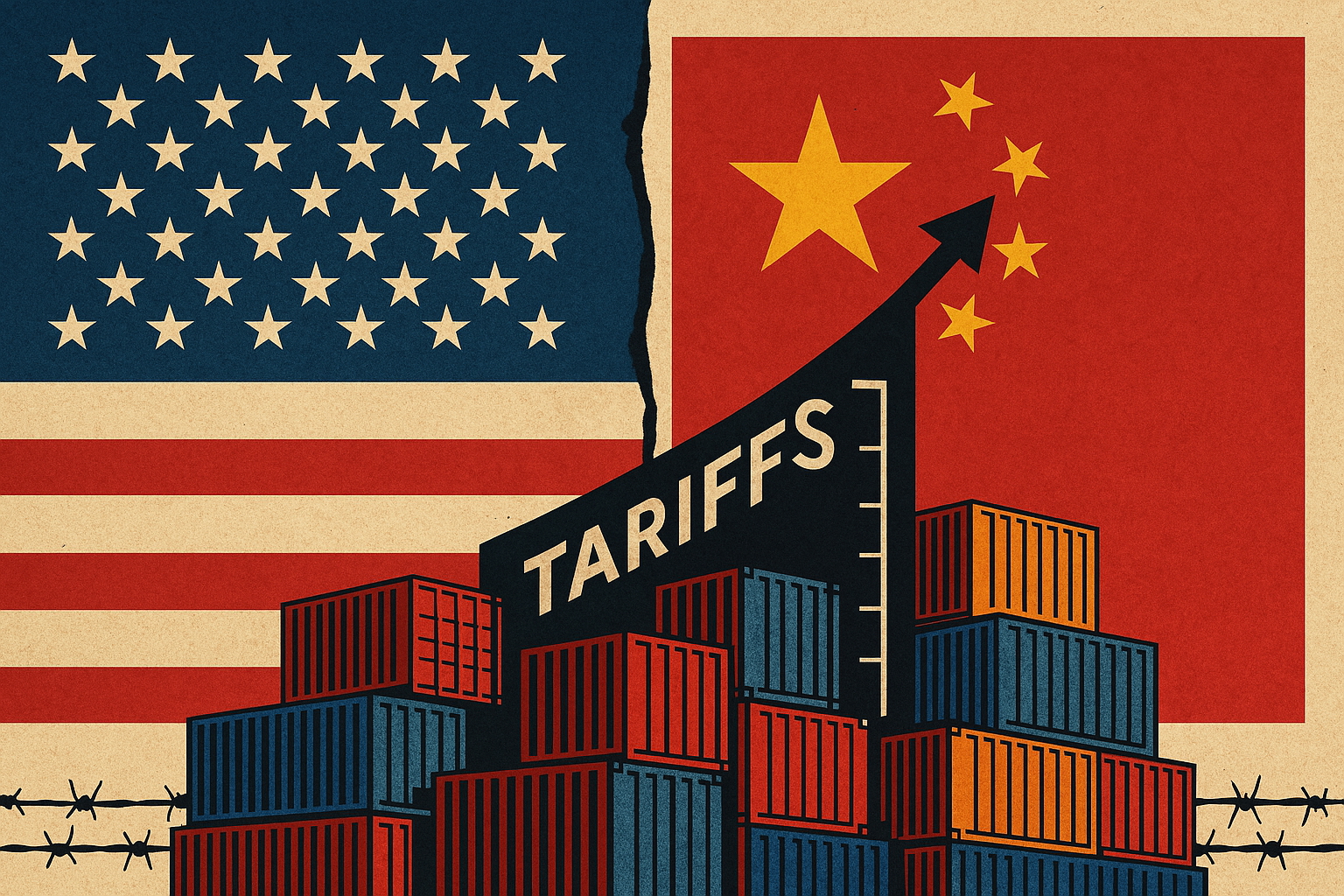
Tariffs — taxes imposed on imported goods — have been a go-to policy tool for nations seeking to protect domestic industries, retaliate against trade partners, or raise revenue. But their effects go well beyond customs forms. Tariffs have influenced global trade dynamics, triggered conflicts (economic and political), and reshaped entire industries. Understanding their true impact helps to look at how they’ve worked historically, especially in the United States.
Tariffs: What They Actually Do
At their core, tariffs make imported goods more expensive. This can benefit domestic producers by reducing foreign competition. However, that protection comes at a cost: higher prices for consumers, potential retaliation from other countries, and sometimes long-term inefficiencies in the protected industries.
Let’s break down how this has played out historically.
The Tariff-Heavy 19th Century: U.S. Industry Protectionism
In the 19th century, the U.S. was a tariff-heavy country. From 1816 through the early 20th century, tariffs were the primary source of federal revenue since income taxes didn’t exist until 1913.
The Tariff of 1828 — infamously dubbed the “Tariff of Abominations” —raised duties on imported manufactured goods, which protected Northern industrial interests but hurt Southern agricultural exporters who faced retaliation and reduced market access abroad. This tariff contributed to sectional tensions that would later erupt in the Civil War.
Later, the Morrill Tariff of 1861 further raised duties, helping the Union finance the Civil War and encouraging industrial development in the North. This protectionist model arguably laid the foundation for the U.S.’s industrial boom, but it did so by limiting trade and isolating American consumers from global price competition.
The Smoot-Hawley Tariff (1930): A Cautionary Tale
No discussion of tariffs is complete without the Smoot-Hawley Tariff Act, signed into law in 1930 during the early days of the Great Depression. It raised tariffs on over 20,000 imported goods to record levels.
The idea was to protect U.S. jobs and farmers—but it backfired. More than 20 countries retaliated, trade volumes collapsed, and global economic pain deepened. According to the U.S. Department of State, world trade fell by about 66% between 1929 and 1934.
While Smoot-Hawley wasn’t the sole cause of the Depression, economists widely agree it worsened and prolonged the downturn. It became the textbook example of how tariffs can spiral into trade wars and economic contraction.
Post-WWII: The Era of Liberalized Trade
After WWII, the U.S. helped build a global economic system based on lower tariffs and open markets. Institutions like the General Agreement on Tariffs and Trade (GATT), later replaced by the World Trade Organization (WTO), were created to prevent another Smoot-Hawley scenario.
Tariffs worldwide dropped sharply. For example, U.S. average tariff rates on imports fell from about 14% in 1950 to below 2% by the early 2000s. This shift, combined with new trade agreements like NAFTA and China’s entry into the WTO, accelerated globalization.
The benefits were clear: cheaper goods, expanded export markets, and booming global trade. But they came with costs: offshoring, deindustrialization in certain regions, and rising economic inequality. Tariffs became a political lightning rod again.
Trump’s Trade War (2018–2020): Modern Protectionism
In recent years, tariffs have made a comeback. Under President Donald Trump, the U.S. imposed tariffs on steel, aluminum, and hundreds of billions of dollars worth of Chinese goods. The rationale: protect U.S. manufacturing and force China to change practices around intellectual property and trade imbalances.
China retaliated with tariffs on U.S. exports like soybeans and aircraft. American farmers were hit hard. The U.S. government spent over $28 billion in aid to support farmers during the trade war. A Federal Reserve study estimated the trade war reduced U.S. GDP by 0.3% and cost about 300,000 jobs.
Despite the pressure, China didn’t make major structural reforms. Meanwhile, U.S. manufacturers faced higher input costs due to tariffs on imported components.
Tariffs Today: A Renewed Trade Offensive
On April 2, 2025, President Donald Trump announced a sweeping set of tariffs dubbed “Liberation Day” tariffs. He signed an executive order enacting a 10% baseline tariff on all countries, effective April 5, 2025. He introduced a reciprocal tariff policy targeting countries with high trade deficits with the U.S. Notably, a 34% reciprocal tariff on Chinese goods was added to an existing 20% tariff, raising the effective rate to 54%. Cambodia, Vietnam, Sri Lanka, Taiwan, India, and the European Union were also hit with significant tariffs ranging from 20% to 49%. Additionally, a 25% tariff was imposed on all imported cars.
The administration has framed these measures as efforts to bolster domestic manufacturing, address trade imbalances, and enhance economic security. However, the immediate aftermath has seen significant volatility in global markets, with the S&P 500 and Nasdaq experiencing their worst losses in two years. International trading partners, including China and the European Union, have threatened retaliation, raising concerns about a potential escalation into a broader trade war.
Final Thoughts
The reintroduction of aggressive tariff policies underscores the enduring debate over protectionism versus free trade. While tariffs can serve as instruments to protect domestic industries and address trade disparities, history cautions that they often come with unintended economic consequences, including higher consumer prices, strained international relations, and potential retaliatory measures. The current trajectory suggests a complex period ahead for global trade dynamics, emphasizing the need for strategic diplomacy and comprehensive economic planning.